
Gastrointestinal Services
Gastroenterology is the branch of medicine focused on the digestive system and its disorders. This includes the esophagus, stomach, intestines, liver, pancreas, gallbladder, and other organs involved in processing food and eliminating waste. Gastroenterologists are specially trained to diagnose, treat, and manage conditions that affect these systems—helping patients improve digestion, absorb nutrients, and maintain overall digestive health.
Trusted Expertise for a Healthier Gut.
We offer evidence-based, expert care in gastroenterology, helping patients manage and maintain optimal gut health with confidence.

“A healthy digestive system is the foundation of long-term wellness. The goal at Oak Valley Hospital is to provide evidence-based care and advanced endoscopic services to help our patients navigate everything from common heartburn to complex liver and colon health. We are committed to delivering professional, specialized care with the personal touch and respect every patient deserves.”
Services We Offer

At Oak Valley Hospital, our gastroenterology team is committed to providing expert care with compassion and respect. We offer a range of diagnostic and therapeutic services designed to address both common and complex digestive health concerns.
Our Services Include:
- Consultations with a gastroenterologist
Personalized evaluations and treatment plans tailored to your symptoms and health history. - Endoscopy & Colonoscopy
Minimally invasive procedures to examine the digestive tract, screen for colon cancer, and investigate symptoms such as abdominal pain, bleeding, or changes in bowel habits. - Esophageal pH monitoring and manometry
Tests to assess acid reflux and the function of the esophagus. - Liver disease management
Evaluation and care for chronic liver conditions, including hepatitis and fatty liver disease. - Screening and prevention services
Routine colon cancer screening and education to promote early detection and prevention.
Our gastroenterology services are delivered by skilled professionals using advanced diagnostic tools and a patient-centered approach. Whether you’re experiencing discomfort or managing a chronic condition, we’re here to support your journey to better digestive health.
Common Symptoms or Conditions Treated:
Acid Reflux & GERD
Ulcers
-
Gastric ulcers – found in the stomach
-
Duodenal ulcers – found in the upper part of the small intestine (duodenum)
-
Infection with Helicobacter pylori (H. pylori) – a common bacteria that can damage the stomach lining
-
Frequent use of NSAIDs – such as ibuprofen or aspirin
-
Excess stomach acid production
-
Smoking, stress, or alcohol use (can worsen symptoms but are not primary causes)
-
Burning or gnawing pain in the stomach (often between meals or at night)
-
Bloating or nausea
-
Loss of appetite
-
In severe cases: vomiting blood or black, tarry stools
Irritable Bowel Syndrome (IBS)
-
Abdominal pain or cramping
-
Bloating and gas
-
Changes in bowel habits, such as:
-
Diarrhea (IBS-D)
-
Constipation (IBS-C)
-
Or both alternating (IBS-M)
-
Abnormal muscle contractions in the intestines
-
Increased sensitivity of the gut
-
Imbalances in gut bacteria
-
Stress and mental health issues
-
Certain foods or eating patterns
-
IBS does not cause permanent damage to the intestines.
-
It does not increase the risk of colon cancer.
-
Symptoms can vary in severity and may come and go over time.
-
Dietary changes (e.g., low FODMAP diet)
-
Stress management
-
Medications (for pain, diarrhea, or constipation)
-
Lifestyle modifications
Hepatitis and Other Liver Disorders
-
Hepatitis A – A short-term infection usually spread through contaminated food or water.
-
Hepatitis B – A virus spread through blood, sexual contact, or from mother to baby. It can be short-term or chronic.
-
Hepatitis C – A bloodborne virus that often leads to chronic liver disease if untreated.
-
Hepatitis D – Occurs only in people with hepatitis B infection.
-
Hepatitis E – A short-term illness spread mainly through contaminated water (common in developing countries).
-
Fatty Liver Disease (Hepatic Steatosis):
Buildup of fat in the liver. It may be caused by alcohol (Alcoholic Fatty Liver Disease) or other factors like obesity and diabetes (Non-Alcoholic Fatty Liver Disease – NAFLD).
In severe cases, it can progress to non-alcoholic steatohepatitis (NASH) and lead to liver damage. -
Cirrhosis:
Scarring of the liver caused by long-term liver damage (often due to hepatitis, alcohol use, or fatty liver disease). It can lead to liver failure if not managed. -
Liver Cancer:
Can develop in people with chronic liver disease, especially cirrhosis. The most common type is hepatocellular carcinoma. -
Autoimmune Hepatitis:
A condition where the immune system attacks liver cells, causing inflammation and damage. -
Hemochromatosis and Wilson’s Disease:
Genetic conditions that cause the body to store too much iron or copper, leading to liver damage.
-
Fatigue
-
Yellowing of the skin or eyes (jaundice)
-
Abdominal pain or swelling
-
Nausea or loss of appetite
-
Dark urine or pale stools
-
Medications (e.g., antivirals for hepatitis)
-
Lifestyle changes (e.g., diet, avoiding alcohol)
-
In severe cases, liver transplant may be necessary.
Gallstones
-
There is too much cholesterol or bilirubin in the bile
-
The gallbladder does not empty properly
-
Other factors such as obesity, certain medical conditions, or genetics increase risk
-
Sudden, intense pain in the upper right abdomen or center of the stomach (often after eating fatty meals)
-
Nausea or vomiting
-
Pain that may spread to the back or right shoulder
-
Sometimes fever or jaundice if complications occur
-
Watchful waiting if no symptoms
-
Medications to dissolve stones (less common)
-
Surgery to remove the gallbladder (cholecystectomy) if stones cause pain or complications
Pancreatitis
-
Acute pancreatitis: Sudden inflammation that lasts for a short time and often resolves with treatment.
-
Chronic pancreatitis: Long-lasting inflammation that leads to permanent damage and scarring of the pancreas.
-
Gallstones blocking the pancreatic duct
-
Heavy alcohol use
-
Certain medications or infections
-
High levels of triglycerides in the blood
-
Trauma or surgery
-
Severe upper abdominal pain that may radiate to the back
-
Nausea and vomiting
-
Fever and rapid pulse (in acute cases)
-
Weight loss and oily stools (in chronic cases)
-
Hospitalization for acute cases with IV fluids and pain management
-
Addressing the underlying cause (e.g., gallstone removal, alcohol cessation)
-
Dietary changes and enzyme supplements for chronic pancreatitis
Constipation and Diarrhea
-
Low fiber diet
-
Inadequate fluid intake
-
Lack of physical activity
-
Certain medications
-
Medical conditions affecting the digestive system
-
Infections (viral, bacterial, or parasitic)
-
Food intolerances or allergies
-
Certain medications
-
Digestive disorders like IBS or inflammatory bowel disease
Colon Polyps and Colon Cancer Screening
-
Hyperplastic polyps: Usually harmless and very common.
-
Adenomatous polyps (adenomas): These have the potential to become cancerous.
-
Inflammatory polyps: Often found in people with inflammatory bowel disease.
-
Rectal bleeding
-
Changes in bowel habits
-
Abdominal pain (rare)
Dr. Shahin Laghaee
Dr. Shahin Laghaee is a board-certified gastroenterologist with more than 30 years of experience providing comprehensive digestive health care to patients throughout the Central Valley. He specializes in the prevention, diagnosis, and treatment of disorders affecting the digestive system, including conditions of the esophagus, stomach, intestines, liver, pancreas, and gallbladder.
Dr. Laghaee earned his medical degree from Hahnemann University Medical School and completed his residency training in Internal Medicine before pursuing advanced fellowship training in Gastroenterology.
Throughout his career, Dr. Laghaee has cared for patients with a wide range of digestive conditions, including acid reflux (GERD), gastrointestinal bleeding, liver disease, pancreatic disorders, inflammatory bowel conditions, and colorectal health concerns. He is highly experienced in performing diagnostic and therapeutic endoscopic procedures, including colonoscopy and upper endoscopy, with a strong focus on preventive care and early detection.
Known for his thoughtful and patient-centered approach, Dr. Laghaee takes the time to listen to his patients, educate them about their condition, and develop individualized treatment plans that support long-term health and wellness.
Fluent in English and Farsi, with additional proficiency in Spanish, Dr. Laghaee is able to connect with and care for a diverse patient population.
Dr. Laghaee is committed to delivering high-quality, compassionate gastrointestinal care and helping patients achieve better digestive health through advanced diagnostics, preventive screenings, and personalized treatment options.
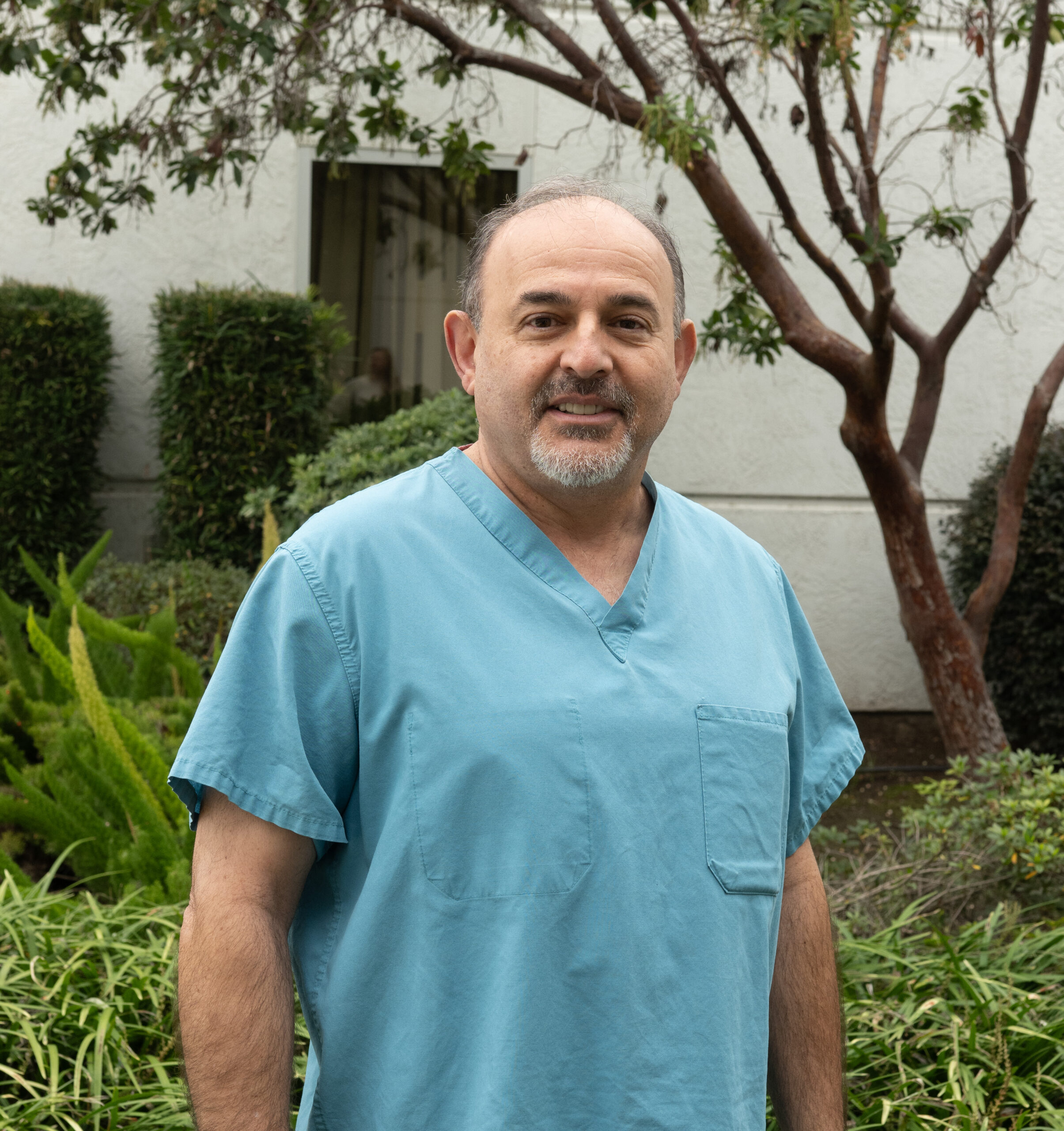
Dr. Eshagh Isaac Faraji

Dr. Eshagh Isaac Faraji is a board-certified gastroenterologist and internal medicine physician with more than 30 years of experience providing comprehensive digestive health care to patients in the Central Valley. He specializes in the diagnosis and treatment of conditions affecting the gastrointestinal system, including the esophagus, stomach, intestines, liver, and pancreas.
Dr. Faraji earned his medical degree from Ross University School of Medicine and completed his residency training in internal medicine at Hahnemann University (Drexel University College of Medicine). He went on to complete fellowship training in gastroenterology, further advancing his expertise in complex digestive disorders.
Throughout his career, Dr. Faraji has developed extensive experience in managing a wide range of gastrointestinal conditions, including acid reflux (GERD), abdominal pain, gastrointestinal bleeding, and pancreatic and esophageal disorders. His background in internal medicine allows him to take a comprehensive approach to patient care, addressing both digestive health and overall wellness.
Dr. Faraji is known for his patient-centered approach, taking time to understand each patient’s needs and developing personalized treatment plans focused on improving quality of life.
Fluent in multiple languages, including English, Farsi, and Arabic (with additional proficiency in Spanish), Dr. Faraji is able to connect with and care for a diverse patient population.
Dr. Faraji is committed to delivering compassionate, high-quality care and helping patients achieve better digestive health through both preventive care and advanced treatment options.
Get In Touch
Dr. Shahin Laghaee
(209) 848-1488
hello@ovhd.com
Address
366 West F Street
Oakdale, CA 95361
Dr. Eshagh Isaac Faraji
(209) 667-0543
hello@ovhd.com
Address
3650 Geer Rd. A
Turlock, CA 95382