
Gynecological Surgery
Drs. Matthew Tilstra and Carson Rodeffer of Hera Medical Group will be performing gynecological surgical procedures using the da Vinci 5 Robotic system—an advanced, minimally invasive technology that enhances surgical precision and control. This approach allows complex gynecologic procedures to be completed through small incisions, offering patients the benefits of reduced postoperative discomfort, minimal scarring, lower blood loss, and faster recovery times.
Advanced Gynecological Surgery Powered by da Vinci Technology.
With specialized training and certification in robotic-assisted surgery, Drs. Tilstra and Rodeffer combine clinical expertise with leading-edge technology to deliver thoughtful, patient-centered care. The use of the da Vinci 5 robotic system supports highly detailed visualization and refined instrument movement, enabling meticulous technique while prioritizing patient safety and optimal outcomes. Together, their experience and commitment to innovation ensure that patients receive high-quality surgical care grounded in precision, compassion, and confidence.

“With a strong foundation in obstetrics and advanced surgical training, we are honored to join a community whose needs align so closely with our experience and approach to care. We are excited to be in Oakdale and look forward to building meaningful relationships with our patients, colleagues, and neighbors. It is our privilege to serve this community with thoughtful, compassionate care, and we are committed to supporting women and families at every stage of life as we grow together.”
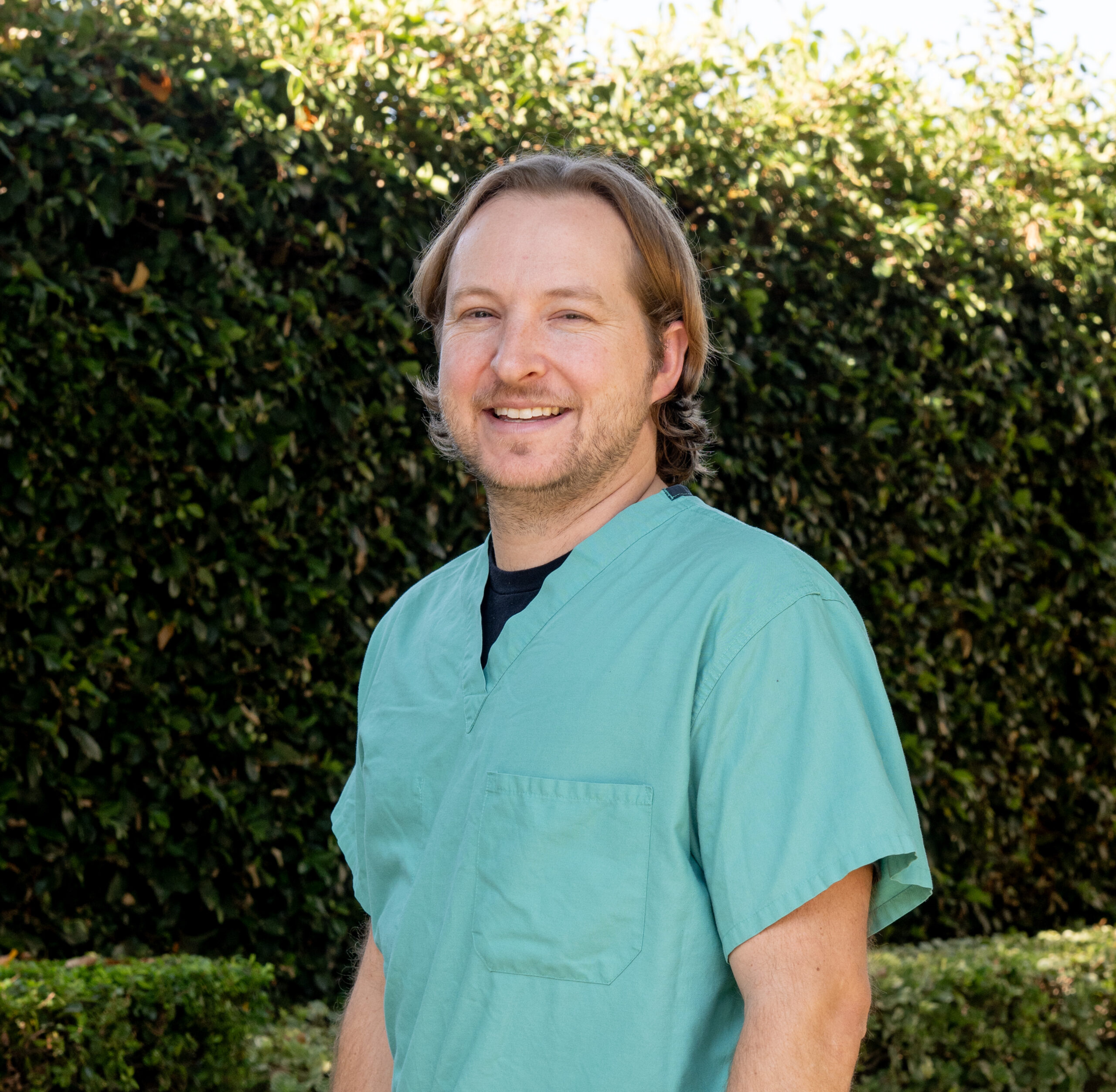
Dr. Matthew Tilstra
Gynecological Surgery
Minimally Invasive Precision for Women’s Surgical Care
Using advanced minimally invasive techniques, including robotic-assisted surgery, our OB/GYN team delivers precise, thoughtful care designed to reduce recovery time, minimize discomfort, and support better outcomes—so you can return to life with confidence and peace of mind.


Together, these advanced procedures reflect our commitment to precision, innovation, and compassionate care—ensuring each patient receives treatment that is both effective and thoughtfully personalized.
da Vinci® Robotic Surgery
Robotic-assisted surgery allows surgeons to perform complex procedures with exceptional precision through small incisions. Using advanced 3D visualization and enhanced instrument control, this minimally invasive approach often results in less pain, reduced blood loss, minimal scarring, and faster recovery—while maintaining the highest standards of surgical accuracy.
Laparoscopic Hysterectomy
Laparoscopic Hysterectomy is a minimally invasive surgical procedure used to remove the uterus through a series of small incisions. It may be recommended to treat conditions such as uterine fibroids, abnormal bleeding, endometriosis, pelvic pain, adenomyosis, or other gynecologic concerns that have not responded to conservative treatment.
Using specialized instruments and a high-definition camera, the surgeon is able to perform the procedure with precision while minimizing disruption to surrounding tissues. In many cases, a laparoscopic hysterectomy can be performed with the assistance of the da Vinci 5 robotic surgical system, which provides enhanced visualization, precision, and control during surgery. Compared to traditional open surgery, minimally invasive and robotic-assisted approaches often result in less postoperative discomfort, smaller scars, a shorter hospital stay, and a faster return to normal activities. Treatment is tailored to each patient’s individual needs, symptoms, and long-term health goals.
Laparoscopy
Gynecologic Laparoscopy is a minimally invasive surgical procedure used to diagnose and treat a variety of gynecologic conditions. Through a few small incisions, a surgeon uses a specialized camera and instruments to evaluate and treat conditions such as ovarian cysts, endometriosis, fibroids, pelvic pain, and other reproductive health concerns. Compared to traditional open surgery, laparoscopy often results in less pain, smaller scars, shorter hospital stays, and faster recovery.
Hysteroscopic Tubal Interruption (Essure)
Hysteroscopic Tubal Interruption (Essure) is a non-incisional procedure designed for permanent birth control and is performed through the vagina and cervix using hysteroscopic guidance. By avoiding abdominal incisions, patients often experience a faster recovery and minimal downtime. (Availability and candidacy are carefully evaluated based on individual patient factors.)
Myomectomy
Myomectomy is a surgical procedure used to remove uterine fibroids while preserving the uterus. It is often recommended for women experiencing symptoms such as heavy menstrual bleeding, pelvic pain, pressure, or fertility concerns related to fibroids. Depending on the size and location of the fibroids, a myomectomy may be performed using minimally invasive laparoscopic or robotic-assisted techniques, allowing for smaller incisions, less discomfort, and a quicker recovery.
Endometrial Ablation (Primary and Second-Generation Techniques)
Endometrial Ablation is a treatment option for heavy or abnormal uterine bleeding in patients who do not wish to have future pregnancies. Using either traditional or newer second-generation technologies, the procedure removes or destroys the uterine lining to significantly reduce or eliminate menstrual bleeding—often without the need for major surgery.
Urinary Stress Incontinence Repair
Surgical repair for urinary stress incontinence focuses on restoring support to the bladder and urethra to reduce or eliminate leakage during activities such as coughing, laughing, or exercise. These procedures are tailored to each patient’s anatomy and symptoms, helping restore confidence and improve daily comfort.
This advanced approach allows patients to avoid more invasive surgery, experience quicker recovery, and return to daily activities sooner. Throughout the process, patients receive clear guidance and support to ensure a safe, comfortable, and informed experience.
Ovarian Cyst Removal (Cystectomy)
Ovarian Cyst Removal (Cystectomy) is a surgical procedure used to remove a cyst from the ovary while preserving the ovary whenever possible. It may be recommended when an ovarian cyst is causing symptoms such as pelvic pain, bloating, pressure, discomfort during daily activities, or concerns about the cyst’s size or appearance on imaging studies.
Depending on the size and location of the cyst, the procedure can often be performed using minimally invasive laparoscopic or robotic-assisted techniques. These advanced approaches typically result in smaller incisions, less postoperative pain, minimal scarring, and a faster recovery compared to traditional open surgery. The goal of an ovarian cystectomy is to relieve symptoms, protect ovarian function, and help patients return to their normal activities as quickly as possible.
Pelvic Support Disorder
Pelvic Support Disorders, including pelvic organ prolapse, occur when the muscles and tissues supporting pelvic organs weaken. Surgical treatment aims to restore normal anatomy, improve function, and relieve symptoms such as pressure or discomfort. Minimally invasive and advanced repair techniques are used whenever possible to support durable results and improved quality of life.
Oophorectomy (Ovary Removal)
Oophorectomy (Ovary Removal) is a procedure to remove one or both ovaries and may be recommended for conditions such as ovarian cysts, ovarian masses, endometriosis, chronic pelvic pain, or certain cancer-related concerns.
Many oophorectomies can be performed using minimally invasive laparoscopic or robotic-assisted techniques, which often allow for a shorter recovery, less postoperative discomfort, and minimal scarring. Your surgeon will discuss whether removing one or both ovaries is appropriate based on your diagnosis, symptoms, and overall health goals.
Salpingectomy (Fallopian Tube Removal)
Salpingectomy (Fallopian Tube Removal) is a surgical procedure used to remove one or both fallopian tubes. It may be recommended for women experiencing conditions such as ectopic pregnancy, chronic pelvic pain, infection, fallopian tube disease, or to reduce the risk of certain gynecologic cancers.
Depending on the reason for surgery, a salpingectomy may be performed using minimally invasive laparoscopic or robotic-assisted techniques, allowing for smaller incisions, less discomfort, and a quicker recovery. The procedure is tailored to each patient’s individual needs and treatment goals.
Lymph Node Dissection
Ectopic Pregnancy Surgery
Ectopic Pregnancy Surgery is performed when a pregnancy develops outside the uterus, most commonly within a fallopian tube. Because an ectopic pregnancy cannot progress normally and may pose serious health risks, surgical treatment is often necessary to remove the pregnancy and protect the patient’s health. The procedure is designed to address the condition promptly, relieve symptoms, and preserve future reproductive health whenever possible.
Pelvic Organ Prolapse Repair
Pelvic Organ Prolapse Repair is a surgical procedure used to correct pelvic organ prolapse, a condition that occurs when the muscles, ligaments, and connective tissues supporting the pelvic organs weaken or stretch. This can allow the bladder, uterus, rectum, or vaginal walls to shift from their normal position, leading to symptoms such as pelvic pressure, a feeling of heaviness or bulging, urinary or bowel difficulties, and discomfort during daily activities.
The goal of pelvic organ prolapse repair is to restore normal pelvic support, improve function, and relieve symptoms while helping patients return to an active and comfortable lifestyle. A variety of surgical options are available, including minimally invasive and robotic-assisted approaches, allowing treatment to be tailored to each patient’s anatomy, symptoms, and personal goals. Your surgeon will work closely with you to determine the most appropriate treatment plan to achieve lasting results and improve quality of life.
Bladder Sling Procedure
Bladder Sling Procedure is a surgical treatment designed to address stress urinary incontinence, a condition that causes urine leakage during activities such as coughing, sneezing, laughing, exercising, or lifting. The procedure involves placing a supportive sling beneath the urethra to provide additional support and help prevent accidental leakage.
A bladder sling procedure is often recommended when conservative treatments have not provided adequate relief. The goal is to improve bladder control, restore confidence, and allow patients to return to daily activities with fewer interruptions from urinary symptoms. Depending on the patient’s needs, the procedure is typically performed using minimally invasive techniques and is often completed on an outpatient basis, allowing for a smooth recovery and lasting improvement in quality of life.
Cystocele & Rectocele Repair
Cystocele & Rectocele Repair is a surgical procedure used to correct pelvic floor conditions that occur when the supportive tissues between the pelvic organs weaken. A cystocele develops when the bladder bulges into the vaginal wall, while a rectocele occurs when the rectum presses against the back wall of the vagina. These conditions can cause symptoms such as pelvic pressure, a sensation of bulging, urinary difficulties, bowel dysfunction, and discomfort during daily activities.
The goal of cystocele and rectocele repair is to restore normal pelvic support, improve bladder and bowel function, and relieve bothersome symptoms. Treatment is tailored to each patient’s specific needs and may involve minimally invasive or advanced surgical techniques to strengthen and repair weakened tissues. By restoring pelvic anatomy and function, this procedure can help improve comfort, confidence, and overall quality of life.
Radical Hysterectomy
Radical Hysterectomy is a specialized surgical procedure used to treat certain gynecologic cancers, most commonly cervical cancer and select uterine cancers. The procedure involves removing the uterus, cervix, surrounding tissues, and, in some cases, nearby lymph nodes to help ensure comprehensive treatment of the disease.
The goal of a radical hysterectomy is to remove cancerous tissue while providing important information about the extent of disease, helping guide any additional treatment that may be needed. Surgical planning is individualized based on the patient’s diagnosis, stage of cancer, and overall health. When appropriate, advanced minimally invasive and robotic-assisted techniques may be utilized to support a precise surgical approach and enhance recovery.
Dr. Matthew Tilstra

Dr. Carson Rodeffer
Dr. Carson Rodeffer is a board-certified OB/GYN dedicated to providing comprehensive, patient-centered women’s healthcare throughout the Central Valley. Known for his thoughtful, down-to-earth approach, he takes the time to ensure patients feel comfortable, informed, and supported throughout every stage of their healthcare journey.
A graduate of Florida State University College of Medicine, Dr. Rodeffer completed his Obstetrics and Gynecology residency training at Winnie Palmer Hospital for Women & Babies through Orlando Health. He is board certified by the American Board of Obstetrics and Gynecology (ABOG) and has specialized training in minimally invasive and robotic-assisted gynecologic surgery using the da Vinci Surgical System.
Dr. Rodeffer provides care for women through all stages of life, offering obstetric care, preventive services, gynecologic treatment, and advanced surgical options. His expertise in robotic-assisted surgery allows many patients to benefit from smaller incisions, less pain, and faster recovery times. Committed to delivering modern, high-quality women’s healthcare in a community setting, Dr. Rodeffer takes pride in helping patients access advanced care while remaining close to home, family, and their support systems.
Get In Touch
Call OB/Gyn Department
(209) 848-4180
hello@ovhd.com
Address
1420 West H St.
Oakdale CA 95361