
Physical Therapy
The Oak Valley Hospital District Physical Therapy team is dedicated to helping patients of all ages and activity levels achieve their highest potential for movement and function. Using evidence-based treatment methods and personalized one-on-one care, our experienced therapists create customized rehabilitation plans tailored to each individual’s needs and goals. Whether you’re recovering from surgery, managing a chronic condition, healing from an injury, or working to prevent future issues, we focus on restoring mobility, reducing pain, and enhancing physical performance. Our goal is to empower you to move confidently, regain your independence, and improve your overall quality of life.
Regain strength. Restore movement. Return to living.
We provide personalized, discreet healthcare services designed to support women’s physical and emotional well-being at every age and stage of life.

“Since 1978, we have proudly provided high-quality rehabilitation services to make a meaningful difference in the lives of our patients, their families, our dedicated staff, and the community as a whole. Our long-standing commitment to compassionate, personalized care continues to support healing, restore independence, and improve quality of life for those we serve.”
Physical Therapy Team
What We Treat


At Oak Valley Hospital District, our Physical Therapy department is committed to pain relief, injury prevention, and movement restoration. Our goal is to help community members maintain their mobility, independence, and quality of life through personalized, evidence-based care. We treat the following conditions:
Spinal Dysfunction
The abnormal movement, alignment, or function of the joints, muscles, discs, or nerves of the spine. It can involve any part of the spine—cervical (neck), thoracic (mid-back), lumbar (lower back), sacral, or coccygeal regions—and often leads to pain, stiffness, limited mobility, or nerve-related symptoms like numbness or tingling.
Chronic Pain
We treat chronic pain using evidence-based techniques tailored to each patient’s unique needs. Our goal is to reduce pain, restore movement, and improve overall function – without reliance on medication or invasive procedures. Treatment plans may include:
-
Manual therapy – hands-on techniques to mobilize joints and soft tissues
-
Therapeutic exercise – targeted strengthening and stretching programs
-
Neuromuscular re-education – to improve movement patterns and body mechanics
-
Postural training and ergonomic education – to prevent strain and reinjury
-
Pain neuroscience education – to help patients understand and manage chronic pain
-
Modalities such as electrical stimulation, ultrasound, or heat/cold therapy
-
Balance and stability training – particularly for patients with chronic low back or joint pain
By addressing both the physical and functional aspects of chronic pain, our experienced team helps patients achieve long-term relief and return to a more active, independent lifestyle.
Joint Injuries and Dysfunction
We provide comprehensive care for joint injuries and dysfunction to help restore pain-free movement and improve joint stability. Using evidence-based approaches, our therapists develop individualized treatment plans to address a variety of joint issues – whether from trauma, overuse, arthritis, or post-surgical recovery. Treatment may include:
-
Manual therapy such as joint mobilizations and soft tissue techniques to improve range of motion
-
Therapeutic exercises focused on strengthening muscles around the joint to enhance support and function
-
Neuromuscular re-education to restore proper movement patterns and coordination
-
Proprioceptive training to improve joint awareness and prevent reinjury
-
Pain management techniques including modalities like ultrasound, electrical stimulation, or cold/heat therapy
-
Education on activity modification and joint protection strategies to support long-term joint health
-
Functional training to safely return patients to daily activities and sports
Our goal is to reduce pain, restore joint function, and help patients regain confidence in their movement for an improved quality of life.
Sport Injuries
Sports injuries refer to injuries that occur during athletic activities or exercise, affecting muscles, ligaments, tendons, bones, or joints. These injuries can range from acute trauma like sprains, strains, fractures, and dislocations, to overuse injuries such as tendinitis, stress fractures, and bursitis. Sports injuries may cause pain, swelling, decreased mobility, and reduced athletic performance.
Common Types of Sports Injuries:
-
Sprains: Stretching or tearing of ligaments
-
Strains: Overstretching or tearing of muscles or tendons
-
Tendonitis: Inflammation of tendons due to repetitive use
-
Fractures: Broken bones caused by trauma or overuse
-
Dislocations: Bones forced out of their normal position
-
Contusions: Bruises caused by a direct blow
-
Overuse injuries: Injuries from repetitive stress without adequate recovery
Car Accidents
Car accidents can cause a wide range of injuries, from minor bruises and strains to more serious trauma. Common injuries include:
-
Whiplash: Sudden neck movement causing ligament, muscle, and soft tissue damage
-
Sprains and strains: Overstretching or tearing of muscles, ligaments, or tendons
-
Fractures: Broken bones from impact or sudden force
-
Concussions and head injuries
-
Back injuries: Including herniated discs, spinal cord injuries, and muscle spasms
-
Joint injuries: Dislocations or damage to shoulders, knees, hips, or other joints
-
Soft tissue injuries: Bruising, swelling, and muscle stiffness
Physical Therapy Treatment for Car Accident Injuries
Physical therapy is a key component in the recovery process after car accidents. Treatment focuses on reducing pain, restoring movement, and improving function to help patients return to their daily lives. Common physical therapy interventions include:
-
Pain management: Using modalities like ice, heat, electrical stimulation, or ultrasound
-
Manual therapy: Joint mobilizations and soft tissue mobilization to reduce stiffness and promote healing
-
Therapeutic exercises: Customized programs to restore strength, flexibility, and endurance
-
Postural and ergonomic training: To prevent further injury and improve body mechanics
-
Neuromuscular re-education: To retrain proper movement patterns affected by injury
-
Balance and coordination training: Particularly important if neurological involvement or dizziness is present
-
Education and self-management strategies: Empowering patients to manage symptoms and prevent future issues
Through individualized care, physical therapists help patients recover safely and efficiently, minimizing long-term disability and improving quality of life after a car accident.
Services we offer to treat the aforementioned consitions:
Gait Training
we provide specialized gait training to help patients improve their walking ability, balance, and overall mobility. Using evidence-based techniques, our therapists develop personalized programs that address the underlying causes of gait dysfunction -whether due to injury, neurological conditions, surgery, or age-related changes. Treatment may include:
-
Balance and coordination exercises to enhance stability during walking
-
Strengthening programs targeting the muscles critical for proper gait mechanics
-
Neuromuscular re-education to retrain movement patterns and improve motor control
-
Use of assistive devices (e.g., walkers, canes) with training to maximize safety and independence
-
Functional mobility drills that simulate real-life walking challenges
-
Treadmill training, sometimes with body-weight support, to safely practice walking and build endurance
-
Postural and alignment correction to promote efficient, pain-free movement
Through focused gait training, our team helps patients regain confidence, reduce fall risk, and improve their ability to perform daily activities independently.
Prosthetic Gait Training
We specialize in prosthetic gait training to help individuals adapt to and optimize walking with a prosthesis. Our experienced therapists use evidence-based techniques to develop personalized rehabilitation plans that focus on improving balance, coordination, strength, and overall mobility following limb loss. Treatment may include:
-
Prosthetic fitting and alignment training to ensure comfort, stability, and proper function
-
Balance and weight-shifting exercises to improve confidence and control while using the prosthesis
-
Strengthening programs targeting residual limb muscles and core stability
-
Neuromuscular re-education to retrain movement patterns for efficient and safe walking
-
Functional gait drills on various surfaces and terrains to enhance adaptability
-
Training with assistive devices as needed during the transition period
-
Energy conservation techniques to improve endurance and reduce fatigue
Our goal is to empower patients to walk with greater independence and confidence, enabling them to return to their daily activities and improve their overall quality of life.
Neurological/CVA Therapy
We provide specialized neurological therapy to support individuals recovering from stroke (CVA) and other neurological conditions. Our evidence-based treatment plans are tailored to address the unique challenges of neurological impairments, with a focus on improving motor control, balance, coordination, and overall function. Treatment may include:
-
Task-specific training to promote relearning of daily activities
-
Balance and postural control exercises to reduce fall risk
-
Strengthening and flexibility programs targeting affected muscle groups
-
Gait training, including the use of assistive devices or orthotics, to improve safe and efficient walking
-
Neuromuscular re-education to enhance motor recovery and coordination
-
Constraint-induced movement therapy to improve use of the affected limb
-
Functional electrical stimulation (FES) to activate weakened muscles
-
Cognitive and sensory integration techniques to support overall rehabilitation
Our compassionate team works closely with patients and their families to promote independence, improve quality of life, and facilitate the best possible recovery outcomes.
Joint Mobilization
Joint Mobilization is a skilled manual therapy technique used by physical therapists to improve joint function, reduce pain, and increase range of motion. It involves the therapist applying gentle, controlled movements to the joint surfaces to restore normal mobility and alignment.
This technique can help:
-
Decrease stiffness and improve flexibility in restricted joints
-
Reduce pain by stimulating joint receptors and decreasing muscle guarding
-
Enhance joint lubrication and nutrition
-
Promote healing by improving circulation and tissue health
Joint mobilization is often used to treat conditions such as arthritis, joint injuries, post-surgical stiffness, and chronic joint dysfunction. It is typically combined with therapeutic exercises and other treatments to maximize recovery.
Soft Tissue Mobilization
Soft Tissue Mobilization (STM) is a hands-on manual therapy technique used by physical therapists to treat muscles, tendons, ligaments, and fascia (the connective tissue surrounding muscles). Through specific, targeted pressure and movements, STM helps to:
-
Reduce muscle tension and spasms
-
Break down scar tissue and adhesions
-
Improve blood flow and promote healing
-
Increase tissue flexibility and range of motion
-
Decrease pain and discomfort
Soft Tissue Mobilization is commonly used to address issues such as muscle strains, repetitive stress injuries, post-surgical adhesions, and chronic soft tissue dysfunction. It is often combined with other therapeutic exercises and modalities to enhance recovery and restore normal function.
Progressive Resistance
Progressive Resistance Training is a therapeutic exercise approach that involves gradually increasing the amount of resistance or load placed on muscles to build strength, endurance, and functional capacity. By systematically challenging the muscles over time, this method helps:
-
Improve muscle strength and power
-
Enhance joint stability and support
-
Promote better movement control and coordination
-
Prevent injury by addressing muscle imbalances
-
Support rehabilitation from injuries or surgeries
Progressive resistance can be performed using various tools such as weights, resistance bands, body weight, or specialized equipment. Physical therapists design individualized programs that safely increase resistance based on the patient’s goals and recovery stage, ensuring steady progress without overloading the tissues.
Physical Therapy Blog
Here, we’re dedicated to sharing helpful tips, expert advice, and inspiring stories to support your health and well-being at every stage of life. Whether you’re navigating pregnancy, managing menopause, or simply looking for ways to stay healthy and empowered, our blog covers a wide range of topics designed just for you.
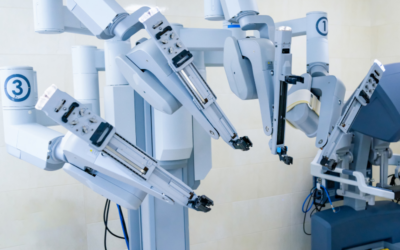
A New Era of Surgical Care Arrives in Oakdale, CA
In medicine, there are moments when technology quietly reshapes what is possible for patients, surgeons, and communities. Oak Valley Hospital District is proud to announce one of those moments. Oak Valley has recently introduced the da Vinci 5 Surgical System, one of...

Benefits of Robotics For Urology Procedures
Advancements in surgical technology have transformed the way urologic conditions are treated. Among the most impactful innovations is robotic-assisted surgery, a minimally invasive approach that enhances surgical precision while prioritizing patient comfort, safety,...

Can AI Replace Occupational Therapy?
Original Post | September 7, 2025 by Clarice Glote MS OTR/LArtificial intelligence (AI) is no longer a futuristic buzzword. It’s here, and it’s shaping healthcare in real time. From Google searches to documentation tools built into EMRs, AI is becoming part of how...
Get In Touch
Call
(209) 847-4181
hello@ovhd.com
Address
1405 West F Street, Suite B
Oakdale CA 95361
Hours
- Monday – Thursday: 8am – 5pm
- Friday: 8am – 4:30pm
- Weekends: CLOSED